Activities to Develop Phonemic Awareness Skills: Free Effective Activities Parents & Teachers Can Use to Develop Phonemic Awareness Skills in their Children & Students
Phonemic Awareness
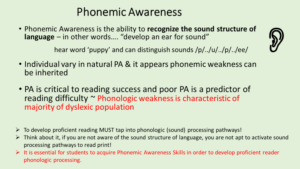
Phonemic awareness, the ability to hear, distinguish, recognize and manipulate sounds within words, is critical to reading success. We know that phonemic awareness training has a significant positive effect on reading and spelling. We can directly teach children how to hear, recognize and manipulate sounds within words to intentionally develop the phonemic awareness skills necessary for proficient reading.
For complete details on phonemic awareness including the seven specific skills students need to develop see the article Phonemic Awareness Explained.
Note: Throughout this article, sounds are indicated between slashes /_/. For example, the letter ‘m’ has the sound /m/.
Note: If you suspect a child has any hearing difficulty, it is critical to get them evaluated by a professional. Children with unmitigated physical hearing limitations may be challenged or unable to develop PA because they cannot physically hear well enough.
Activities to Develop Phonemic Awareness
You can use the following simple activities to develop phonemic awareness skills in your child or student. These phonemic awareness activities directly teach students to identify, distinguish, segment, blend and manipulate sounds. These activities to develop phonemic awareness can be conducted with individual children, small groups or even with a class of students. Phonemic awareness training has been shown to have a significant positive impact on reading and spelling. General information on developing phonemic awareness as well as a variety of specific activities to develop phonemic awareness are listed below.
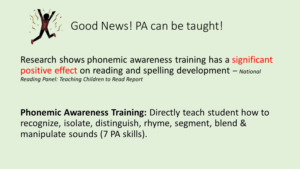
General Information on PA Instruction & Effectively Designing Activities to Develop Phonemic Awareness
Design Activities to develop phonemic awareness skills systematically
Design Activities to develop phonemic awareness skills systematically. Start simple and then increase complexity as the child develops skills. Design and sequence instruction to progress from easy to difficult. Start with beginning sounds. Once the student gets the hang of beginning sounds (the easiest to hear and distinguish), you can move on to ending sounds and finally to manipulating middle sounds. Start with the continuous beginning sounds that can be stretched out without distortion (/m/, /s/, /f/, /l/, /n/, /r/…). These continuous ‘stretchy’ sounds are the easiest to distinguish. The ‘fast’ sounds (/d/, /t/, /k/, /g/, /b/, /p/…) that must be said quickly are harder to distinguish. In addition, start with single consonants before moving to blended consonants. In blended consonants, the blends with only ‘stretchy’ or continuous sounds (sl, fl, sn, sm, fr, …) are easier to distinguish/separate than the blends with fast sounds (dr, tr, cr, gr, sc, st…) than. The ending double ‘fast’ blends are very difficult (such as /kt/ in ‘act’ or /pt/ in kept). In addition, certain sounds are more difficult to distinguish. Avoid the difficult and complex until after the student has developed proficiency in the beginning and simple skills.
The following list summarizes the relative difficulty for elements of PA skills. These are listed left to right, from simple (easier to distinguish) to more difficult/complex (harder to perform).
sounds: (easier ⇒ more difficult)
continuous sounds that can be stretched out ⇒ the ‘fast’ or ‘quick’ sounds
‘stretchy’ /m/ /s/ /f/ /a/ /r/ /l/ /n/ /o/ /sh/ /r/ ⇒ ‘quick’ sounds /t/ /d/ /b/ /k/ /g/ /p/
(example: /m/ in mat is easier to distinguish than /b/ in ‘bat’)
location of sound within the word: (easier ⇒ more difficult)
beginning sounds ⇒ ending sounds ⇒ middle/interior sounds
(example: /s/ in sit ⇒ /s/ in miss ⇒ /s/ in mistake)
(example: /t/ in tag ⇒ /t/ in mat ⇒ /t/ in stop)
consonants/consonant blends: (easier ⇒ more difficult)
single consonants ⇒ blended consonants with continuous sounds ⇒ blended consonants with ‘fast’ sounds ⇒ blended consonants with 2 ‘fast’ sounds
(example: /s/ in sit ⇒ /s/ in slip ⇒ /s/ in scar ⇒ /t/ in kept)
single consonants ⇒ 2 blended consonants ⇒ 3 blended consonants
(example: /t/ in tap ⇒ /t/ in trap ⇒ /t/ in strap)
phonemic complexity of word: (easier ⇒ more difficult)
short, simple words with 2 or 3 phonemes ⇒ longer words with >3 phonemes
(Example: at, in ⇒ sun, tub, mom ⇒ slap, milk ⇒ split, plant, strap, trunk)
difficulty of task: (easier ⇒ more difficult)
comparing words ⇒ isolating and segmenting sounds ⇒ deleting/manipulating sounds
(Example: identifying words that start with the same sound ‘cat’, ‘cut’, ‘fun’ (cat & cut start with the same sound) ⇒ determining what sound the word ‘cat’ start with (/k/) ⇒ segmenting the sounds in the word ‘cat’ (/k/ /a/ /t/) ⇒ deleting sounds in the word ‘cat’ such as say cat without the /k/ (at) ⇒ change the first sound in ‘cat’ to /m/ (mat))
note: tasks that can be very difficult include: interior ‘fast’ consonants within 3 blended consonant blends (example: /t/ in strip, /k/ in scratch…) and the ending double ‘fast’ blends (example /p/ in kept, /k/ in act, /p/ in swept)
challenge of differentiating certain sounds:
Certain sounds tend to be more difficult to differentiate. Sound pairs that are more difficult to distinguish include: the sounds /f/ and the soft /th/ (as in bath), the sounds /f/ and /v/, the sounds /t/ and /d/, the sounds /k/ and /g/. Speech wise these sounds are very similar and are harder for some children (especially preschoolers) to differentiate. The ‘dr’ combination is also tricky as many youngsters hear it as almost a /j/. Also be aware, age development does influence the ability to differentiate sounds. The youngest students (preschool and kindergarten) often have difficulty manipulating middle sounds and some of the blended consonants even when they are developing overall phonemic awareness necessary for reading. If a child has difficulty pronouncing particular sounds see the article Tips for helping children pronounce specific sounds.
Tips to Help Students Develop PA Skills
Tips to help the child develop PA skills: The key is to directly help children develop this ‘ear for sound’. While some students will naturally have terrific PA, the seamless nature of speech makes it challenging for some individuals to recognize the phonemic nature of language. Individuals with phonemic weaknesses need direct instruction help to develop PA skills. The following tips can be applied to all activities to develop phonemic awareness. Remember to always teach and and correct to help the child learn. A few tips include:
- If the child has difficulty hearing sounds within a word, say the word slowly and repeat the word if necessary. Saying a word ‘slowly’ makes it easier for the child to hear the individual sounds. In the same way it is easier to distinguish details on a slow-moving vehicle than one speeding by at highway speed. Repetition is also helpful.
- Once again, remember it is important to start simple and build skills systematically in conducting activities to develop phonemic awareness. The student who cannot distinguish /p/ in ‘pit’ will face even more difficulty distinguishing /p/ in ‘tip’ or /p/ within ‘split’. Build skills!
- Design correction to help build skills: When a child cannot perform a task, correct in a manner that intentionally builds necessary skill. Help them learn HOW to distinguish sounds. For example, if you ask the child to make the word ‘drop’ and they make ‘dop’, have them read ‘dop’, point to the word and say, “You made the word ‘dop’. You needed to make the word ‘drop’. Repeat the word emphasizing the /r/ sound /drrrop/. What sound is missing?” If you are working on distinguishing the /m/ sound and ask the child to come up with words that start with /m/ and he gives you ‘cat’. Say something like “oops, ‘cat’ starts with the /k/ sound. …listen…/k/ /k/…/kat/… you need to give me a word that starts with /mmm/”
- Always demonstrate! It is important to demonstrate the activity, showing the child exactly how to perform the skill. Instructions often don’t explain adequately. Provide actual examples to make sure the child actually understands what you are asking them to do. A perfect example, years ago when I was conducting a phonemic evaluation with a kindergartener, I asked what sounds he heard in the word ‘cat’ he told me “meow”! Correct answer to a different type of ‘cat’ sound question!
- In all activities to develop phonemic awareness, be sure and use a wide variety of words so the child actually has to actually listen to sounds. For example, if you always use the word ‘sun’ for practice distinguishing the beginning /s/ sound the child may just memorize ‘sun’ = /s/. By constantly mixing up and using different words (sit, Sam, sob, sap, sink, summer, snake, snail, slide, swim..etc), the child must actually must listen to sounds.)
- Keep activities to develop phonemic awareness age appropriate. Phonemic activities will be conducted differently for preschoolers than for older students. Design activities with target age in mind. For younger students ‘play sound games’ and keep it fun. A wide variety of oral games can be conducted ‘on the move’ to match the energy of preschoolers. (saying /s/ words each time they come down the slide at the playground… ‘slide’, ‘sun’…; playing ‘I spy the __ sound when walking to school). For older students it is important to keep instruction focused to print and age appropriate. While a 13-year-old needs to learn to manipulate sounds, they are not going to appreciate playing the ‘silly name game’. Activities for older students need to be directly tied to print. With older students the phonemic awareness activities should be developed in conjunction with the direct systematic phonics program. Word making and word writing activities are very effective and appropriate. (activities with making words with the sound tiles are highly effective!)
- Link PA to print. For reading success, it is absolutely essential to link the auditory PA skill to print. (More details later in this article)
- Phonics Phones are helpful (particularly in a classroom setting)!Phonics phones are an effective tool for enhancing phonemic awareness instruction. A phonics phone is a simple tube shaped like a ‘telephone’ receiver, often made from plastic PVC pipe. The tube design funnels sound directly to the ear and tends to block out other background noise. Not only do the phones likely boost physical hearing they also directly focus the child on listening to and hearing sounds. When a child holds a phone, they intentionally listen to the sound coming out the earpiece. This direct focus on sound is vital to developing necessary phonemic awareness. Phonics phones are particularly useful for conducting phonemic awareness activities in a classroom setting. The students say the sounds or words into the phones when conducting activities to develop phonemic awareness. For additional details on phonics phones including instructions for making and using phonics phones, see the article Phonics Phones Explained
- An informal tool to check your child’s PA is located at Phonemic Awareness Evaluation: A Free Informal Tool for Checking Phonemic Awareness
Specific Activities to Develop Phonemic Awareness
PA Activities to identify sounds: The ability to isolate and distinguish individual sounds is an essential PA skill. Remember to design activities to develop phonemic awareness skills systematically. Start simple and then increase complexity as the student develops PA skills. Beginning ‘slow’ continuous sounds are the easiest for students to identify. Target the following activities to develop phonemic awareness in identifying specific sounds.
- ‘What Sound Starts the Word’: Give the student a word. The child repeats the word into his phone listening carefully. Have the student say the word ‘slowly’ if necessary. The student then identifies the beginning sound/. The format is to ask “What is the first sound in _____” or “What sound starts the word _____” Example: “What sound starts the word ‘sun’. The child repeats /sun/ and then says /s/.
- ‘What Sound is Last (the Caboose) or What Sound Ends the Word’: This game is similar to the ‘What Sound Starts the Word’ game except the student identifies the ending sound of the word. The format is to ask: “What sound is last in _______?” or “What is the ending sound in ___________?” Example: “What sound ends the word ‘sun’. The child repeats the word /sun/ and then says /n/.
- ‘What words start with /__/?’ In this variation you give the child or class a beginning sound. They repeat the sound into their phones and then give you a word that starts with that sound. The format is to ask “What words start with the sound /_/?” Example: “What word starts with the /m/ sound? The child repeats the sound /mmm/ and then says a word such as /milk/ or /mom/ or /mat/.
- I Spy the Sound’: In this variation you play the ‘I Spy Game’ with your child except you spy word that start with the /_/ sound. This is perfect for active preschool children as this game can be done walking or running around. Format: “I spy a /__/ sound, what do I spy?” Example: I spy something that starts with /d/. What do I see? Have the child say the sound /d/ as they look around and find ‘dog’ or ‘dad’ or ‘duck’, ‘desk’, ‘door’….
- Rhyming activities. Rhyming is terrific for developing phonemic awareness. Help the child learn how to rhyme. Say a word like ‘cat’ and see how many rhyming words the child can say. At first this rhyming needs to be demonstrated as children will often just say a word that starts with the same sound. Example: “What would rhyme with cat? hat, mat, pat, sat.. See if you can come up with any ‘silly’ rhyming words…zat.. dat.. “
- ‘Which One Doesn’t Belong’: This is a fun PA version of the old Sesame Street game. Give the students a list of three words. Have them say the words and then identify which one ‘does not belong’. Carefully select the words to meet the child’s level. Build skills systematically. Verbally direct the student to listen for the PA skill you are targeting. such as we are listening to beginning sounds. . Example: Say “We are listening for the starting sounds. Which one doesn’t belong? . fun, fig, beach”. If you don’t specify/direct the students on exactly what to listen for, you can guarantee some children will say be thinking fun & beach obviously go together and will miss the entire PA intent.
PA Activities to Distinguish Sounds: The ability to distinguish different sounds is an important PA skill. The phonics phones are a terrific tool as they enhance focus on listening carefully and therefore help the student distinguish similar sounds. Target the following activities to develop phonemic awareness in distinguishing sounds.
- Listen to the difference between /–/ and /–/: Give the student two different sounds and have them listen to, distinguish and identify the sounds. For example, have them listen to the difference between /a/ and /e/. The phones help tremendously!
- Rhyming Activities: Various rhyming activities help the student distinguish sounds. Have the child say rhyming words or pick out which words rhyme.
- ‘Why not’ games: Help the child recognize the distinguishing differences. Give the student two words and ask why they don’t rhyme. For example, give the student ‘bat’ and ‘bit’ and have child say words into the phone and then tell you why they don’t rhyme. By asking them to figure it out they learn to distinguish the difference.
- “What vowel sound is it?” Distinguishing short vowels can be tricky. Most short vowel sounds are within words. Interior sounds require more developed PA to identify than beginning sounds. In addition, some of the short vowels sound similar. The phones help in the ‘careful listening’ that is often needed to distinguish the difference. Give the student a pair of similar words. They repeat the words listening carefully and then pull out, distinguish and identify the sounds. Select specific word pairs to build the precise sound/skill the student needs to work on. For example ‘at-it’, ‘fat-fit’, ‘ham-him’ if you are working on /a/-/i/ difference; ‘not-nut’ and ‘cop-cup’ if you were working on /o/-/u/ difference.
- ‘What is different’: Give the student pairs of words and ask them to repeat the words into their phones and then identify the difference. Select word pairs to meet skill level and PA objectives. For example, ‘tip-dip’, ‘dot-tot’ and ‘tin-din’ if the student was struggling with distinguishing beginning /t/-/d/ sounds
- “Why this one doesn’t belong”: This game helps the student distinguish the difference between words. Conduct the game similar to the ‘which one doesn’t belong activity, except ask the child to identify and tell you exactly why the word does not belong. Having them point out the specific difference helps develop skills. Format: Give the students a list of three words. Have them say the words, identify which one does not belong and then tell you exactly why it does not belong. Once again pick sets of words carefully to develop target skills.
PA Activities to Blend Sounds: The ability to smoothly blend sounds is a PA skill as well as a necessary skill for proficient reading. You can use oral sound blending activities with young students to develop and practice blending skills. Target the following activities to develop phonemic awareness skills in blending sounds.
- ‘Slow-Regular Speed’: In this activity, you give the child or student a word. The student orally practices saying this given words slowly (stretching out the sounds) and then at regular speed. Example: Give the child a simple word (mom). The child repeats the word into the phone, then says the word slowly stretching out the sounds (mmmooommmm) and then at regular speed (mom). Complete instructions and a list of appropriate words are given in the Blending Explained article.
- ‘Blending Sounds’ (older students) OR ‘Smoosh the Sounds’ or ‘Glue the Sounds Together’(younger children) – In this activity the students practice blending sounds together. Give the child the individual sounds of a word separated and then the child smoothly puts the sounds together into a word. Examples: give /m/…/o/…/p/ and then the child says a smooth ‘mop’, give the student /s/… /u/.. /n/ and the student then says a smooth ‘sun’.
PA Activities to Segment Sounds: The ability to segment phonemes in a word is where the child can ‘unglue’ the sounds within a spoken word. The ability to separate the individual sounds (phonemes) that make up a word is an essential PA skill. Remember this is based on the sounds (phonemes) NOT letter names. Say the word slowly and clearly to help the child hear and distinguish all sounds. Target activities to develop phonemic awareness in segmenting sounds.
- Tell me the sounds in the word _____: Give the child a short word and have him segment the sounds in the word. Examples: “Tell me all the sounds in the word ‘cat’”; the child should say /k/ /a/ /t/, “Tell me all the sounds in the word ‘shut’”. the child should say /sh/ /u/ /t/; “Tell me the sounds in the word ‘place’” – the child should say /p/../l/../ay/../s/), “Tell me the sounds in the word ‘shade’ -the child would say /sh/../ay/../d/).
- Writing spelling words by sound is a terrific way to develop this ‘segmenting’ ability. Have the child write/spell the word ‘rug’ by sound. The child must listen to the word, distinguish and separate the individual sounds /r/.. /u/.. /g/. Spell by sound, not letter name.
- Conduct specific PA segmenting activities with the blended consonants. (After basic segmenting with easy sounds/words has been mastered). Children need direct practice with these more difficult blended consonant combinations.
PA Activities to Manipulate Sounds: The ability to manipulate phonemes within a word (delete or change sounds) is a phonemic awareness skill. Remember to start with beginning simple sounds as these are the easiest to distinguish and then increase complexity as the child’s skills advance. Target activities to develop phonemic awareness in manipulating various sounds.
- Deleting Sounds Activities: Give the child a word and directions for deleting a sound. For example:
-
- Say the word ‘fast’ without the /f/ (the child should say ‘ast’)
- Say the word ‘train’ without the /t/ (the child should say ‘rain’)
- Say the word ‘swim’ without the /m/ (the child should say ‘swi’)
- ‘Sound Changing’ activities: Give specific directions on what you want the student to change.
-
- What would the word ____ be if you changed the /__/ to a /__/? For example, “What would the word ‘rug’ be if you changed the /r/ to a /m/?” (child should say ‘mug’)
- “How would you say ____ if the /__/ sound was changed to a /__/?”. For example, “How would you say ‘sing’ if the /s/ was changed to /r/?” (child should say ‘ring’)
- For younger children, play “silly word” games with beginning sounds. Have the child modify the first sound in a word.
- ‘Silly name game’ – Use the child’s name and make silly words. For example, “Jess, if your name started with /mmm/ what would it be?… Mess; How about /t/?.. Tess; How about /b/? Bess.
- ‘Silly animal game’ – Give the child an animal name and then have them make ‘silly’ animals by changing the first sound. For example, “If my zebra started with /m/ what would it be? mebra…started with /t/? tebra…. (Select animal names starting with consonants that can be changed)
- Sound manipulation activities to develop phonemic awareness with older students should be conducted with print. (Word making or word changing with tiles, writing/spelling/recoding words)
Additional information on fun phonemic activities you can conduct with young children are listed at Fun Activities to Help Your Child Develop Phonemic Awareness.. Fun Sound Games
Design Activities to develop Phonemic Awareness Linked With Print ~ Link Phonemic Awareness to Print
For reading development, the child MUST link the auditory Phonemic Awareness skills directly to print. Children need to develop the link between the sounds they hear and the specific print (letters). In other words, when the child hears the word ‘mom’, he can not only distinguish the beginning sound /m/, he also knows this sound is represented by the printed letter ‘m’. He learns the link between sounds (phonemes) in the word and the specific black squiggle representing the sound Explicit and systematic instruction teaching children to manipulate phonemes with printed letters effectively develops this necessary link.
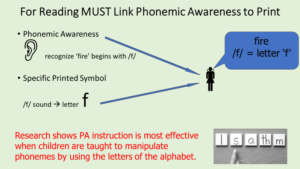
“Phonemic awareness instruction is most effective when children are taught to manipulate phonemes by using the letters of the alphabet. Such instruction makes a stronger contribution to the improvement of reading and spelling when children are taught to use letters as they manipulate phonemes rather than when instruction is limited to phonemes alone.” (Highlights from the evidence-based research on phonemic awareness instruction – listed in National Institute for Literacy’s (NIFL) Summary on Phonemic Awareness Instruction)
Explicit instruction and activities to develop phonemic awareness to print link should begin in kindergarten. Teachers can add printed letters to the PA activities. Sound tiles or letters printed on cardstock work very well for manipulating print and developing the print=PA link. This can and should be done in conjunction with a direct systematic phonics program where printed sounds (the phonemic code) are introduced and taught in a direct systematic manner. See the article The Building Blocks of Written English – The Phonemic Code: Why Knowledge of the Complete Phonemic Code Is Important to Proficient Reading and How to Help Children Learn the Complete Accurate Phonemic Code, Teaching Phonics
How to Link PA with Print:
- Explicitly introduce and teach the print=sound. Teach the direct print=sound link by pointing to the printed letter and saying the sound correctly as you conduct PA activities.
- Conduct these activities in a systematic manner as discussed earlier in this article under “Develop Phonemic Awareness Skills Systematically”. Coordinate print/PA link with the progression of PA skills. In early activities the child can simply point to the correct printed symbol.
- Be sure and use accurate phoneme = grapheme representations. In other words, make sure the written symbol (letter or letters) correctly represents the single phoneme. Remember, some graphemes have more than one letter (ie… ‘th’, ‘ch’, ‘sh’). Base print on single accurate phonemes. Don’t use ‘word families’ or ‘blended consonant clusters’ as these are NOT accurate phonemic representations. .(ie… mat = /m//a//t/, run= /r//u//n/, chop = /ch//o//p/, this = /th//i//s/, stop= /s//t//o//p/, flip= /f//l//i//p/.)
- Sound tiles or square cards are a fantastic tool for manipulating print with PA. Sound tiles are simply a tile or square cardstock with the accurate grapheme (letter or letters) printed on the tile or card. For example, tiles for ‘m’, ‘s’, ‘a’, ‘t’, ‘o’, ‘th’, ‘ch’, ‘sh’, … If conducted correctly, activities with the sound tiles* provide a highly effective multisensory tool that allows students to ‘see’ and physically manipulate the phonemic structure of language.
- For older students in remediation situations: Word making activities* with sound tiles, and writing/spelling are highly effective multisensory tools for directly developing phonemic awareness skills in older students/remediation situations. Not only do these tile activities explicitly teach PA and link PA=print, they also allow the student to ‘see’ and physically manipulate the phonemic structure of language.
Examples of activities to develop phonemic awareness linked explicitly with print:
Introduce Print to Beginning PA Activities: The necessary link between PA and print can be established when conducting the early PA activities to identify and distinguish sounds. Simply add the print to the previously described activities listed under “PA activities to identify sounds” and “PA Activities to distinguish sounds”. For example
- Link print to ‘What Sound Starts the Word’: Give the child the word ‘mom’. Have the child identify the beginning sound /m/. Then hold up a tile or printed card of the letter ‘m’. Say “This letter ‘m’ represents the sound /m/. Have the child repeat the /m/ sound while looking at the printed ‘m’. Practice other words that start with /m/, having him point to the printed ‘m’ when he identifies a word that starts with the /m/ sound.
- In playing ‘I spy the /_/ sound’ have the student point to the correct printed letter when saying the beginning sound and giving the word he spied. [
- Linking print to sound distinguishing activities by having the student point to the correct printed letter(s) as they identify the difference. In “what vowel sound is it”, the student would point to the correct printed ‘a’ when they heard /a/, ‘e’ when they heard /e/..etc.
Word making with sound tiles: In these activities, give the child a pre-set selection of tiles and then ask him to make a simple word. The words need to be decodable and pre-planned to meet the child’s knowledge. Example give the child the sound tiles ‘m’, ‘a’, ‘t’, ‘s’, ‘f’ ‘i’. Then ask him to make the words ‘sit’, ‘fat’, ‘it’, ‘fast’, ‘fist’ & ‘mast’. In making the words, the child must listen to the word, segment sounds, and then link the segmented sound directly to print. Word making activities directly link PA to print.
Word changing activities with the sound tiles: These are conducted similar to the word making with the sound tiles except the child makes a word and then makes changes to the word based on your request. For example: Please make the word ‘mud’, now what would you change to make the word say ‘mad’. OK now you have the word ‘mad’, what would you change to make the word ‘sad’…etc
Spelling/Word Writing by Sound/ Recoding: Activities where the child listens to a word and then writes/spells the word by sound are effective for directly developing PA. This is not memorizing spelling words but rather listening to words and then ‘writing the sounds’. It is directly converting sound to print. To be effective, the words given in this spelling activity need to be decodable based on the student’s knowledge. Keep it simple and coordinate the spelling with the direct systematic phonics instruction.
*The highly effective multisensory sound tile activities as well as writing words are an integral part of the Right Track Reading Lessons and Back on the Right Track Reading Lessons programs. These activities are highly effective in building phonemic awareness and phonologic processing. For additional information see EFFECTIVE MULTISENSORY SOUND TILES and to learn more PREVEIW EFFECTIVE RIGHT TRACK READING PROGRAMS
Additional sources of information on phonemic awareness, activities to develop phonemic awareness and teaching phonemic awareness are located at:
- University of Oregon’s Big Ideas in Beginning Reading: Phonemic Awareness in Beginning Reading http://reading.uoregon.edu/big_ideas/pa/pa_what.php
- Put Reading First: The Research Building Blocks for Teaching Children to Read– This teacher’s guide provides a framework for using the findings of the NRP in the classroom. It includes a complete section on phonemic awareness with suggestions for classroom instruction with examples of how the findings can be implemented. Click on the ‘phonemic awareness instruction’ under contents.
- Highlights from the evidence-based research on phonemic awareness instruction (from National Institute for Literacy) https://lincs.ed.gov/childhood/phonemicIns.html
- Report of the National Reading Panel Teaching Children to Read: An Evidence-Based Assessment of the Scientific Research Literature on Reading and Its Implications for Reading Instruction: See Key Reading Research Findings to link to the details on phonemic awareness
Reminder! Phonemic Awareness is Only One Essential Skill for Proficient Reading
Activities to develop phonemic awareness are necessary and will help your student develop phonemic awareness. However, these activities will not teach your student to read. Phonemic awareness is just one skill necessary for proficient reading. Reading is complex and requires mastering and integrating many different essential skills. For a visual representation outlining of necessary skills and integration of skills necessary for proficient reading See Overview and Visual Representation of Overall Processes Required for Proficient Reading.
For additional free information, useful articles and effective resources on teaching students to read, CLICK TO EXPLORE FREE READING INFORMATION
Right Track Reading ~ Empowering parents & teachers with information and resources to help their children and students achieve reading success!
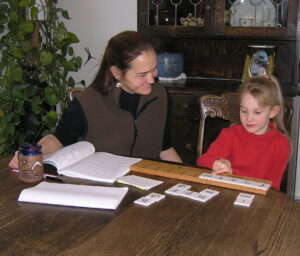
This information was provided by Miscese Gagen, a mother with a passion for teaching children to read proficiently by using effective methods. She is the author of the effective reading instructional programs Right Track Reading Lessons and Back on the Right Track Reading Lessons as well as a reading tutor with over 20 years’ experience successfully building proficient reading skills in her students. The purpose of this page is to empower parents and teachers with information to help their children achieve reading success. We CAN improve reading proficiency, one student at a time! More information located at www.righttrackreading.com